Losing a tooth or facing an extraction can feel overwhelming, especially when you are confronted with multiple replacement options and varying cost estimates. The landscape of restorative dentistry has changed significantly over the past two decades, and patients today have better choices available than at any prior point in dental history. Understanding the fundamentals of each option helps you have a more productive conversation with your dentist and ultimately make the decision that best serves your health and quality of life.
Why Tooth Replacement Matters Beyond Aesthetics
Missing teeth affect far more than the appearance of your smile. When a tooth is lost, the jawbone beneath it begins to resorb, meaning the bone gradually shrinks because it no longer receives the stimulation it needs. Over time, this bone loss can alter the shape of your face, destabilize neighboring teeth, and create bite problems that put stress on the jaw joint. These changes happen gradually and may not become obvious for months or years, which is why dentists consistently recommend addressing tooth loss sooner rather than later.
Chewing efficiency also declines when teeth are missing, which can influence dietary choices and nutritional intake. Patients with multiple missing teeth often avoid harder foods like raw vegetables, nuts, and lean meats, inadvertently narrowing their diet in ways that affect their broader health over time. Replacing missing teeth preserves function, not just appearance.
Dental Implants: The Closest Thing to a Natural Tooth
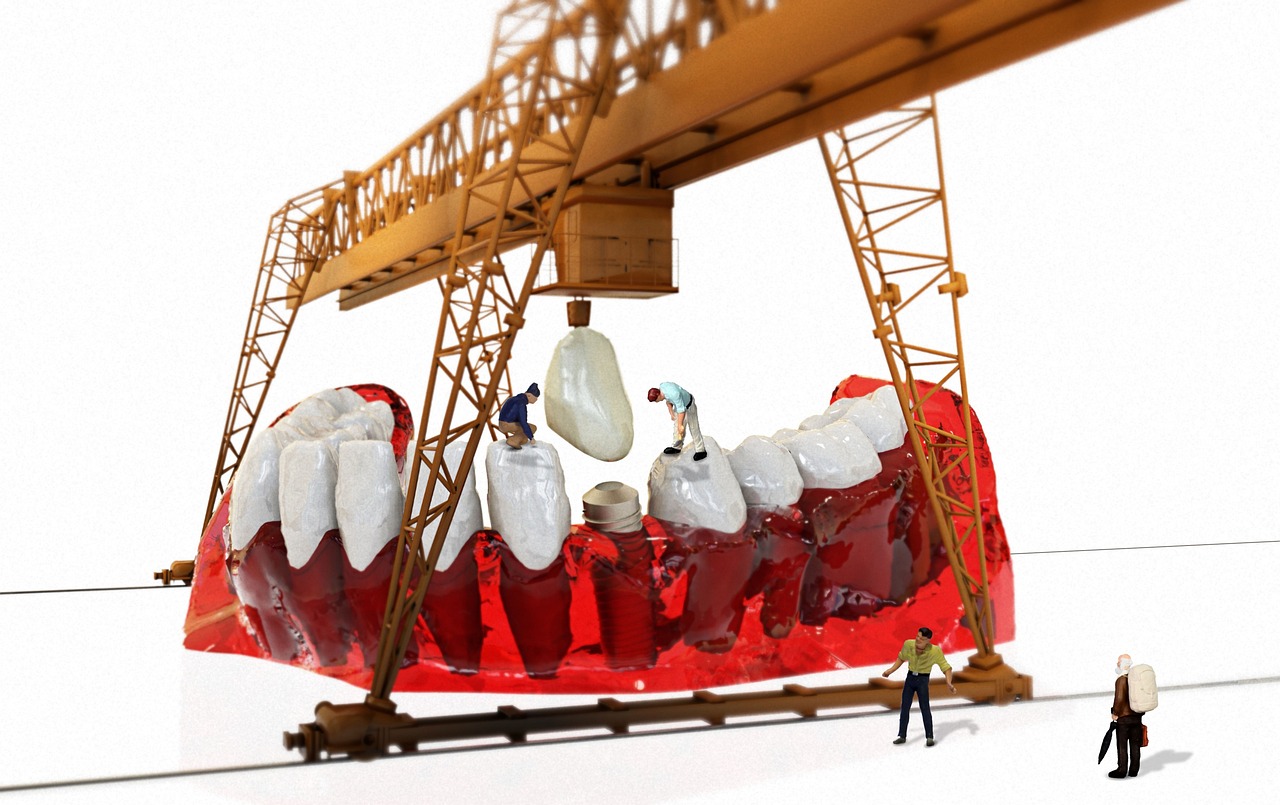
A dental implant consists of a titanium post that is surgically placed into the jawbone, where it integrates with the surrounding bone through a process called osseointegration. Once healed, the post acts as an artificial tooth root, onto which a custom-fabricated crown is attached. The result is a replacement tooth that looks, feels, and functions almost identically to the natural tooth it replaced.
The primary advantage of implants over other replacement options is that they preserve bone. Because the titanium post transmits chewing forces directly to the jawbone, it provides the stimulation needed to maintain bone density in the same way the natural root did. No other tooth replacement option offers this benefit to the same degree.
Implants are also the most durable option available. With proper care, an implant supported crown can last decades, and the implant post itself may last a lifetime. Although the upfront cost is higher than other options, the long-term cost per year of service often compares favorably when full-life costs are calculated.
Patients considering this procedure should consult with a qualified provider early in the process. Many dental practices that offer this service can assess bone density, review candidacy, and outline a realistic timeline. For residents of the Shenandoah Valley region, connecting with an experienced dentist in Harrisonburg VA to discuss candidacy is a practical first step before making any final decisions.
Dental Bridges: A Fixed Option Without Surgery
A traditional dental bridge addresses a missing tooth by placing crowns on the two adjacent teeth (called abutment teeth) and suspending a false tooth between them. The structure is cemented in place and is not removable by the patient. Bridges restore appearance and chewing function effectively and have been used successfully in restorative dentistry for generations.
The main limitation of a bridge is that it requires modifying the adjacent teeth, even if those teeth were otherwise healthy. Over time, a bridge also does not prevent bone loss beneath the false tooth, since there is no root in the jaw to provide stimulation. Most bridges last between ten and fifteen years before they need to be replaced.
For patients who are not candidates for implants due to insufficient bone density, systemic health factors, or budget considerations, a bridge remains a reliable and aesthetically pleasing choice. It is worth discussing the long-term implications with your provider to understand how the decision will affect your oral health over the next decade or longer.
Partial and Full Dentures: When Multiple Teeth Are Involved
When multiple teeth are missing, partial or full dentures may be the most practical solution. Modern dentures are more comfortable and natural-looking than earlier versions, though they still require an adjustment period and ongoing maintenance. Partial dentures attach to remaining natural teeth using clasps, while full dentures rest on the gum ridge and may be stabilized with dental adhesive.
Implant-supported dentures have become an increasingly popular option for patients who need full arch replacement. Rather than relying solely on the gum ridge for retention, implant-supported dentures anchor to several strategically placed implants, dramatically improving stability and reducing the bone loss that conventional dentures accelerate. This option bridges the gap between the affordability of traditional dentures and the performance of individual implants.
Making the Decision: What to Discuss With Your Dentist
The right replacement option depends on a combination of clinical factors, personal priorities, and financial considerations. Bone volume, the health of adjacent teeth, your medical history, and your timeline for treatment all influence which approach is most appropriate. A thorough evaluation typically includes digital X-rays, a clinical exam, and in some cases a CBCT scan to assess three-dimensional bone structure.
Once clinical factors are established, the conversation shifts to goals and expectations. How important is permanence? Are you comfortable with a surgical procedure? How does the cost fit into your current budget? These are all legitimate questions to raise during a consultation, and a quality dental provider will take the time to walk through the options honestly rather than pushing toward any single solution.
Patients in the Harrisonburg area seeking to explore dental implant services in Harrisonburg and other tooth replacement options will find that a thorough initial consultation sets the foundation for a decision they can feel confident about for years to come. The goal is always to restore function, preserve bone, and support a healthy, comfortable life well beyond the dental chair.